
Sakarya, Arif Orçun
Loading...
Profile URL
Name Variants
Sakarya, A. & Sakarya, A. Orçun & Sakarya, A. Orcun & Sakarya, Arif Orcun
Job Title
Dr. Öğr. Üyesi
Email Address
sakarya@cankaya.edu.tr
Main Affiliation
03.04. İşletme
İşletme
03. İktisadi ve İdari Birimler Fakültesi
01. Çankaya Üniversitesi
İşletme
03. İktisadi ve İdari Birimler Fakültesi
01. Çankaya Üniversitesi
Status
Current Staff
Website
ORCID ID
Scopus Author ID
Turkish CoHE Profile ID
Google Scholar ID
WoS Researcher ID
Files
Sustainable Development Goals
 1
1NO POVERTY
0
Research Products
 2
2ZERO HUNGER
1
Research Products
 3
3GOOD HEALTH AND WELL-BEING
0
Research Products
 4
4QUALITY EDUCATION
0
Research Products
 5
5GENDER EQUALITY
0
Research Products
 6
6CLEAN WATER AND SANITATION
0
Research Products
 7
7AFFORDABLE AND CLEAN ENERGY
0
Research Products
 8
8DECENT WORK AND ECONOMIC GROWTH
2
Research Products
 9
9INDUSTRY, INNOVATION AND INFRASTRUCTURE
3
Research Products
 10
10REDUCED INEQUALITIES
0
Research Products
 11
11SUSTAINABLE CITIES AND COMMUNITIES
1
Research Products
 12
12RESPONSIBLE CONSUMPTION AND PRODUCTION
0
Research Products
 13
13CLIMATE ACTION
0
Research Products
 14
14LIFE BELOW WATER
0
Research Products
 15
15LIFE ON LAND
0
Research Products
 16
16PEACE, JUSTICE AND STRONG INSTITUTIONS
0
Research Products
 17
17PARTNERSHIPS FOR THE GOALS
1
Research Products

This researcher does not have a Scopus ID.

This researcher does not have a WoS ID.
No records found in other affiliations.

Scholarly Output
18
Articles
13
Views / Downloads
2159/2463
Supervised MSc Theses
1
Supervised PhD Theses
0
WoS Citation Count
35
Scopus Citation Count
40
Patents
0
Projects
0
WoS Citations per Publication
1.94
Scopus Citations per Publication
2.22
Open Access Source
10
Supervised Theses
1
| Journal | Count |
|---|---|
| 2nd World Conference on Psychology, Counselling and Guidance (WCPCG) -- MAY 25-29, 2011 -- Antalya, TURKEY | 1 |
| Archives of Clinical Neuropsychology | 1 |
| Beslenme ve Diyet Dergisi | 1 |
| Business and Management Studies: An International Journal | 1 |
| Computers in Agriculture and Natural Resources - Proceedings of the 4th World Congress | 1 |
Current Page: 1 / 4
Scopus Quartile Distribution
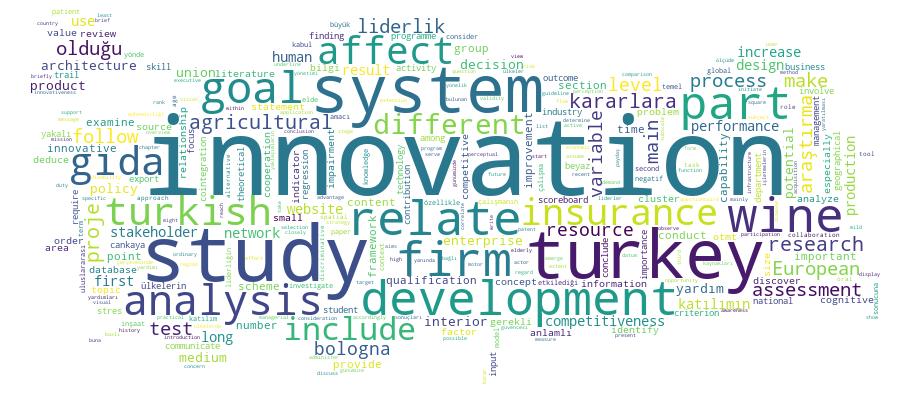
Competency Cloud
18 results
Scholarly Output Search Results
Now showing 1 - 10 of 18
Article Citation - WoS: 1Citation - Scopus: 1Student Participation in Bologna Process: a Case Study From Turkey(Fac Teacher Education, 2014) Kahraman, Zerrin Ezgi; Kahraman, Z. Ezgi; Sakarya, Arif Orçun; Sakarya, A. Orcun; Orçun Sakarya, A.; Şehir ve Bölge Planlama; İşletmeBologna Process studies in Cankaya University's Interior Architecture Department (INAR), Turkey have been initiated in 2008. The goal of this study is to explore students' perceptions about the new programme outcomes framed with the Turkish Higher Education Qualifications Framework and to provide a set of guidelines for the Bologna Process to be implemented. A questionnaire including semi-structured questions is conducted in the data collection process. Content analysis method is used in order to examine students' perceptual outcomes. The findings of the study display that students' perceptions underline the importance of the acquisition of knowledge, skills and competences in social, economic and managerial dimensions of the professional life. Results also reveal the need of students for the acquisition and use of communicative, collaborative and interdisciplinary aspects of the profession and their expectations on both theoretical and practical contents of INAR courses. Furthermore, this study which mainly followed a student-cantered approach concluded that it is also possible to generalize new programme outcomes through the active participation of students.Article Bilgi Sarmalı Çerçevesinde Süreçlerin Karşılıklı Etkileşimi\rüzerine Bir Araştırma(2021) Sakarya, Arif OrçunGünümüzde bilgi yönetimi işletmelerin rekabet güçlerinin artırılması yönünde odaklanılan\rkonulardan biridir. Özellikle dinamik çevre ile etkileşim sırasında bilginin şekillenmesi noktasında,\rbilginin dönüşümü ve kullanılma amacı da işletme performansına etki edebilecek olgular olarak\rortaya çıkmaktadır. Buna bağlı olarak, çalışmanın amacı, mikro ölçekli işletmelerde sarmal bazlı bilgi\ryönetimi ve yaratılması için uygun şartların oluşup oluşmadığının ölçülmesidir. İlgili literatür ve bilgi\ryönetimine farklı yaklaşımların incelenmesini takiben, çalışmanın araştırma bölümünde ise bir\rüniversitenin kuluçka merkezi bünyesinde bulunan ve bilgi yoğun ürün veya hizmet üreten mikro\rölçekli işletmelerin ile yapılan görüşmelerin sonuçları tartışılmıştır. Buna göre, işletmenin dahilinde\rbilginin yaratılması için gerekli şartları büyük ölçüde sağladıkları sonucuna ulaşılmıştır. Bu bağlamda\rözellikle ortak karar alma mekanizması, proje bazlı çalışma, inovasyon, birden fazla işte yetkinleşme\rve bilgiye erişim olgularının ön plana çıktığı görülmüştür. Bunlara ek olarak da özellikle bilginin\rdönüştürülmesi çerçevesinde piyasa odaklı yaklaşımların da şirketlerin gündeminde olduğu\rgözlemlenmiştir.Article Kararlara Katılımın Rol Stres Kaynakları Üzerine Etkisi: Beyaz Yakalı Çalışanlarüzerine Bir Araştırma(2020) Rende, Burak; Sakarya, Arif OrçunAmaç – Örgütlerin başlıca sorunlarından olan rol belirsizliği ve rol çatışmasından kaynaklanan rol stresinin azaltılmasında önemli olan etkenlerden biri kararlara katılım kavramı olarak ortaya çıkmaktadır. Bu araştırmanın temel amacı beyaz yakalı çalışanlarda kararlara katılımın, rol stres kaynakları üzerindeki etkisinin incelenmesidir. Yöntem – Araştırma temel anlamda nicel bir araştırma olup; uluslararası alanda faaliyette bulunan, çeşitli ülkelerde ofisleri, şubeleri ve şantiyeleri olan bir inşaat işletmesinin 203 beyaz yakalı çalışanları ve yöneticileri üzerinde anket yöntemi uygulanarak gerçekleştirilmiştir. Uygulanan anketler sonucu 197 değerlendirmenin kabul edilebilir olduğu sonucuna varılarak regresyon ve korelasyon analizleri yapılmıştır.Bulgular – Kararlara katılımın alt boyutlarından olan katılım atmosferinin hem rol belirsizliğini hem de rol çatışmasını negatif yönde anlamlı olarak etkilediği sonuçları elde edilmiştir. Bununla beraber kararlara katılımın diğer alt boyutu olan katılıma yönelik tutumun ise, rol belirsizliğini anlamlı olarak negatif yönde etkilediği ancak, rol çatışması ile aralarında anlamlı bir ilişki bulunamadığı bulguları elde edilmiştir. Tartışma – Araştırmanın üç alt hipotezi kabul görmüş ve bir alt hipotezinde ise istatistiksel olarak anlamlı bir ilişki bulunamamıştır. Bu bağlamda rol stresi üzerinde büyük oranda kabul edilebilir bir etkisi olan kararlara katılım bu araştırmada katkıları ile ön planda tutulmuştur. Kararlara katılımın, rol stresini dolaylı olarak birçok yönden etkileyebileceği de ilgili literatürü destekleyici şekilde ortaya konmuştur. Özetle; bu çalışmada kararlara katılımın rol stres kaynaklarını kısmen negatif yönde etkilediği sonucu elde edilmiştir.Article Supply Response of the Wine Industry in Turkey(Asia Life Sciences, 2011) Sakarya, Arif Orçun; Sakarya, Arif Orcun; Temiz, Dilek; Temiz, Dilek; İşletme; Uluslararası Ticaret ve FinansmanRegarding the high wine production potential; the main goal of the study is to discover whether there is a long run relationship between wine production, wine net export and demand and to display the possible contribution of latter variables on wine production in Turkey. Following the wine market overlook; related contribution is analyzed by using annual time series data for the years 1961-2005, the Johansen cointegration test and ordinary least squares method. The empirical findings have shown that, as the wine net export or the wine demand increases, wine production also increases in Turkey. Cointegration test has proved that there is a long run relationship between wine production and the other variables.Article Institutions‟ And Initiatives‟ Role In Turkey‟s National Innovation System(2011) Sakarya, Arif OrçunIn Turkey, increasing focus to the concept of innovation underlined the importance of the related institutions’ role in the economic agenda. Hence, a clear understanding of the functions of the actors that makes up the country’s innovation system is important in policy formulation stages. Accordingly, the goal of this literature review is to analyze institutions’ duties that are active in the National System of Innovation and to assess recent developments’ contribution to the innovation policy targets. It has been observed that Turkey has a strong institutional infrastructure, but also has some problems concerning firm-based innovation, university-industry cooperation and development of innovation inputsBook Part Citation - Scopus: 6Innovation Cluster Development Potential in the Regions of Turkey: a Geographical Perspective(Igi Global, 2013) Sakarya, Arif OrcunThe assessment of firms' innovativeness levels in a specific territory can be assumed to be an important indicator of future innovative collaboration, some of which might also be cluster setup initiatives. Assuming that geographical proximity can also provide a favorable opportunity for strengthening interfirm ties, the goal of the chapter is to discover the best innovation variables for Turkish firms in terms of being members of potential innovative cluster formations. Following an overview of the innovation parameters used in the study, the current situation of the firms in question and their problems are briefly stated. The analysis part includes a regression test to discover the variables affecting firms' innovativeness in order to tackle the problems stated. Regression results have shown that intellectual capital, technology infrastructure, and geographical concentration levels affect the innovation performance of the firms in different regions. The conclusion involves further policy improvements for empowering regional innovation capabilities.Article Geçmişten Günümüze Gıda Yardımları ve Ülkelerin İzledikleri Yardım Politikaları(2005) Sakarya, Arif OrçunÇalışma beş bölümden oluşmaktadır. İlkbölümde, ülkelerin ve uluslararası kuruluşlarıngeçmişten günümüze izlemiş olduğu gıda yardımıpolitikaları ve yapmış oldukları gıda yardımlarıincelenmiştir. Bu ülkelerde başlatılan gıdayardımı programlarının kapsamı, günümüzekadar farklılıklar göstermiştir. İkinci bölümde,gıda yardımlarının amaçları ve günümüzde gıdaaçığı durumunu etkileyen nedenlere değinilmiştir.Gıda yardım ları, insancıl amaçlar, çıkaramaçları ve ülkelerin karşılaştıkları savaş, doğalafetler gibi olağanüstü durumlarda verilmiştir.Bunun yanında, yardım faaliyetlerinin etkinliğinin sağlanması ve yardım akışının düzenlenmesi için uluslararası kurumlar oluşturulmuş,anlaşmalar yapılmıştır. Bu kuruluşların rolü iseüçüncü kısımda incelenmiştir. Dördüncübölümde, ülke bazında izlenen yardım politikaları sorgulanmıştır. Bu politikaların genelamacı, yardımı alan ülkede kalkınmayı sağlamasıve üretkenliği artırmasıdır. Çalışmanın sonbölümünde Türkiye'nin gıda güvencesi politikasıüzerinde durulm uş ve gıda güvencesiningüçlendirilmesine yönelik olası çözüm önerilerinde bulunulmuştur. Bunun yanında,Türkiye'nin almış ve vermiş olduğu gıda yardımları çalışmaya yansıtılmıştır.Article How Do Enterprises Communicate Their Innovation Strategies? An Assessment and Comparison of Turkish Firms’ Website Statements(2016) Sakarya, Arif OrçunInnovation strategy practices primarily aim to sustain competitive advantage and growth via new business models and added value. The goal of this study is to discover the extent of innovation statements communicated to stakeholders by Turkish firms listed in the second top 500 industrial enterprises ranking of Istanbul Chamber of Industry as of 2013 and 2014. To do this, topics closely related to innovation are examined via a comparative analysis of related website contents. The study includes four main parts. The first and second parts review the literature and theoretical background. The third part introduces the methodological framework of the paper including the profile of the firms under consideration and analytical procedures. Content analysis is used to group web-based information related to innovation and other notions. Groups include mission, vision and values, research and development ability, and innovation related topics which statement densities are discussed in the context of motivation for value creation. It has been deduced that the gradual increase in firms’ innovation awareness is also communicated to stakeholders especially in research and the context of development activities’. Finally this paper ends with a conclusion.Master Thesis Liderler Olarak Proje Yöneticilerinin Bakış Açısı: Somali-Mogadişu Örneği(2025) Shire, Hodan Mohamed; Sakarya, Arif OrçunBu çalışma, Somali Mogadishu'da proje yönetimi performansını etkilemede liderliğin rolünü, inşaat sektörü örneğinde incelemektedir. Liderliğin proje sonuçlarının proje çıktıları üzerindeki etkisnin belirlenebilmesi için araştırma, liderlik becerileri, deneyim, kontrol ve stil.olmak üzere dört temel boyutu incelemiştir: Bulgular, liderliğin, özellikle değişken ve kaynak kısıtlı bağlamlarda, proje başarısında belirleyici bir faktör olduğunu göstermektedir. İletişim, karar verme, problem çözme, duygusal zekâ ve çatışma çözümü gibi güçlü liderlik becerilerinin, ekip uyumunu iyileştirdiği, gecikmeleri en aza indirdiği, güvenlik uygulamalarını geliştirdiği ve paydaşlar arasında güven oluşturduğu belirlenmiştir. Liderlik deneyimi de kritik öneme sahiptir; çünkü deneyimli liderler daha fazla dayanıklılık, uyum sağlama yeteneği, riskleri öngörme ve krizleri etkili bir şekilde yönetme becerisi göstermektedir. Ayrıca, liderlik kontrolünün hesap verebilirlik ve verimlilik için gerekli olduğu; yapılandırılmış gözetim, şeffaf kaynak kullanımı ve kriz hazırlığının maliyet aşımlarını ve gecikmeleri azaltmaya yardımcı olduğu belirlenmiştir. Son olarak, liderlik tarzı önemli bir rol oynamaktadır: dönüşümsel ve katılımcı yaklaşımlar motivasyonu, kapsayıcılığı ve inovasyonu teşvik ederken, kriz ve acil proje aşamalarında yönlendirici tarzlar gerekli olmaktadır. Genel olarak, çalışmada Somali inşaat sektöründeki proje performansının büyük ölçüde liderliğe bağlı olduğu sonucuna varılmıştır. Beceriler, deneyim, kontrol ve liderlik tarzi; zamanında teslimi, maliyet verimliliğini, kaliteyi, sürdürülebilirliği ve paydaş memnuniyetini topluca etkilemektedir. Liderlik bağlamında sadece teknik yeterliliğin değil aynı zamanda kişilerarası beceriler, deneyimsel bilgi, yapılandırılmış yönetim ve kültürel uyumun da gerekli olduğu görülmektedir.Book Part Citation - WoS: 1Variables Affecting Innovation-Related Competitiveness in Turkey(Springer, 2009) Sakarya, A. OrcunInnovation's relation with competitiveness can be considered as a part of its emerging importance for the global economy. Accordingly, the main goal of this quantitative study is to foresee the main "macro" variables affecting Turkey's innovation-related competitive performance in the long run by considering innovation concept, both in the global and European Union basis. Following the introductory part and literature review, the relationship between innovation and competitiveness has been emphasized in Section 5.3. In Section 5.4, European Union Innovation Scoreboard has been mentioned. In Section 5.5 and the final section of the chapter, innovation concept has been discussed as an extension to Summary of Innovation Index and factors affecting innovation-related competitiveness in Turkey have been examined. First, a brief exploratory factor analysis has been conducted to identify the relevance of selected variables. Then, for investigating factors affecting medium and long-run innovation-related competitiveness in the country, a VAR model has been utilized. Granger's causality test has also been used to detect the cause-effect relationships between variables. As a result, it has been deduced that basic variables affecting innovation-related competitiveness are the number of patent applications and per capita R&D expenses. Moreover, it is also concluded that the Gross Domestic Product may also be relatively important in the long run.