
Kalemci, İpek
Loading...

Profile URL
Name Variants
Kalemci, İpek Tüzün
Kalemci-Tuzun, Ipek
Kalemci-Tuzun, Ipek
Job Title
Öğr. Gör.
Email Address
Main Affiliation
Çankaya Meslek Yüksekokulu
Status
Former Staff
Website
ORCID ID
Scopus Author ID
Turkish CoHE Profile ID
Google Scholar ID
WoS Researcher ID
Sustainable Development Goals
SDG data is not available

This researcher does not have a Scopus ID.

This researcher does not have a WoS ID.

Scholarly Output
4
Articles
3
Views / Downloads
1052/17
Supervised MSc Theses
1
Supervised PhD Theses
0
WoS Citation Count
32
Scopus Citation Count
37
Patents
0
Projects
0
WoS Citations per Publication
8.00
Scopus Citations per Publication
9.25
Open Access Source
2
Supervised Theses
1
| Journal | Count |
|---|---|
| Eskişehir Osmangazi Üniversitesi İktisadi ve İdari Bilimler Dergisi | 1 |
| European Journal of Management and Business Economics | 1 |
| International Journal of Organization Theory and Behavior | 1 |
Current Page: 1 / 1
Scopus Quartile Distribution
Competency Cloud
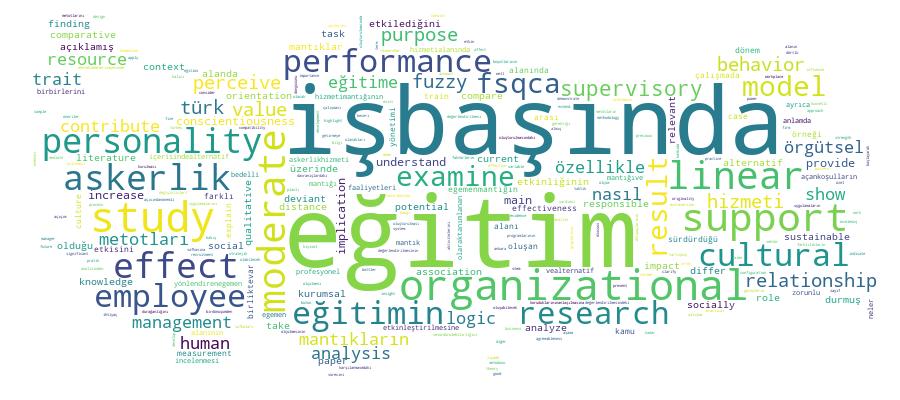
4 results
Scholarly Output Search Results
Now showing 1 - 4 of 4
Article Citation - WoS: 2Citation - Scopus: 2Does the Fuzzy Logic Model Explains More? Moderating Effect of Personality on the Relationship Between Sr-Hrm and Job Performance(Emerald Publishing, 2025) Ozkan-Canbolat, Ela; Kalemci, R. Arzu; Kalemci-Tuzun, IpekPurpose: The purpose of this study is to examine the moderating effect of personality traits on social responsibility-oriented human resources management (SR-HRM) practices and job performance. Design/methodology/approach: The sample of the study consists of 442 employees working in firms developing knowledge and innovation-based systems in Ankara (Turkey). The strengths of this study stem from its methodology, which contributes to the literature in terms of analysis comparing linear and fuzzy set qualitative comparative analyzes (fsQCA). Findings: Both linear analyses and fsQCA results show the moderating effect of conscientiousness on the relationship between job performance and SR-HRM. Both models demonstrate the impact of agreeableness on business performance. Study results indicate that linear and fsQCA examine the moderating effect of conscientiousness in the same way as the literature. The linear analysis results differ from fsQCA, which examined the moderating effect of compatibility in this study. The fsQCA results of this study show that SR-HRM affects job performance when extraversion and conscientiousness are taken into account. Research limitations/implications: Further research may compare linear and fuzzy logic models about moderating and mediating effects. Future researchers may highlight the increasing importance of linear and fsQCA in any organizational behavior or organizational theory subject. Practical implications: The main implication is that managers should consider the significant impacts of effective SR-HRM development on employees’ job performance. Personality traits should be taken into account in HRM processes such as recruitment and retention. Social implications: The main contribution of the current study is the insight it provides into the moderating effects of the big five personality traits on the relationship between job performance and SR-HRM and how they differ in the linear model and fsQCA. Originality/value: The current study contributes to the relevant literature by presenting the research design and questions. Using a multi-method approach, this research provides a better understanding of patterns between variables and contributes to the existing literature. © 2024, Emerald Publishing Limited.Master Thesis Measurement of effectiveness of on the job training -Turkish case(2001) Kalemci, İpekBu çalışma, işbaşında eğitimin nasıl oluşturulması gerektiği üzerinde durmuş ve eğitimin, özellikle işbaşında eğitimin etkinliğinin ölçülmesi sürecini incelemiştir. Bu tez, işbaşında eğitim programlarının oluşturulmasındaki görüşlerin ve pratik uygulamaların, stratejik ve taktik eğitim ihtiyaçlarının karşılanmasmdaki önemini tartışmıştır. Eğitim döngüsünü, eğitim ihtiyaç analizinden başlayarak, eğitimin etkinliğinin ölçülmesinin değerlendirilmesi safhasına kadar incelenmiştir.İşbaşmda eğitim ve diğer eğitim metotlarını açıklamış ve metotların kuvvetli ve zayıf yönlerini tartışmıştır. Eğitim gruplarının boyutlarının ve kişisel farklılıkların eğitim oluşturulmasında bilgi, beceri ve davranışlardaki değişiklikleri nasıl etkilediğini incelenmiştir. Bu tez çalışması, özellikle planlı işbaşında eğitimin kurulması üzerinde durmuş, işbaşında eğitime alternatif olabilecek metotları ve işbaşında eğitime yardımcı olacak metotları tartışmış ve özellikle dörtlü aşama metodunu incelemiştir. Etkin bir işbaşında eğitimi hangi faktörlerin etkilediğini açıklamıştır. Eğitimin değerlendirilmesindeki ölçüm metotları ve işbaşında eğitim değerlendirilmesinin bütün safhaları analize edilmiştir. Bu tez Türkiye'de işbaşında eğitime bakış açışım ve Türkiye'deki özel sektör uygulamalarını açıklamış, Coca-Cola Bottlers of Turkey eğitim aktivitelerini örnek olarak almış ve işletmenin işbaşında eğitim olanakları incelemiş, Öneriler getirmeye çalışmıştır.Article Örgütsel Alanda Kurumsal Mantıklar Arası Oluşan Çelişki: Türk Askerlik Hizmeti Alanı Örneği(2015) Kalemci, İpek Tüzün; Kalemci, Rabia Arzu; Gökoğlu, Mustafa MehmetBu çalışmada farklı kurumsal mantıkların birliktevar olduğu Türk askerlik hizmeti alanında egemenmantığın etkisini sürdürdüğü dönem içerisindealternatif mantıkların etkinleştirilmesine yol açankoşulların neler olduğu açıklığakavuşturulmaktadır. Ayrıca Türk askerlik hizmetialanında örgütsel faaliyetleri yönlendirenegemen bir mantık olan zorunlu askerlik hizmetimantığının, profesyonel askerlik hizmeti mantığıve bedelli askerlik hizmeti mantığı olaraktanımlanan alternatif mantıklar ile ilişkisiincelenmektedir. Bu anlamda Türk askerlikhizmeti alanının incelenmesi, egemen vealternatif mantıkların birbirlerini desteklemelerisayesinde örgütsel alanda oluşabilecek kalıcı birdönüşümden ziyade, alanın durağanlığını vesürdürülebilirliğini nasıl koruduklarınınanlaşılmasına katkıda bulunması açısındanönemli görülmektedir.Article Citation - WoS: 30Citation - Scopus: 35Employee Deviant Behavior: Role of Culture and Organizational Relevant Support(Emerald Group Publishing Ltd, 2019) Kalemci, R. Arzu; Kalemci-Tuzun, Ipek; Ozkan-Canbolat, ElaPurpose The purpose of this paper is to increase the knowledge and understanding of organizational and supervisory support in the context of employee deviant workplace behavior (DWB) by examining the potential associations of employees' cultural value orientations. This paper aims to: clarify DWB; review perceived organizational support (POS) and perceived supervisory support (PSS); discuss the meaning of employees' cultural value orientations (individualism-collectivism, power distance and paternalism); use the fuzzy logic model to analyze relationships between DWB and POS, as well as PSS and employees' cultural value orientations. Design/methodology/approach This research applies a fuzzy-set qualitative comparative analysis. Findings The results show the role of employee perceived organizational and supervisory support and cultural dimension (power distance and paternalism) configurations on employee DWB. Originality/value The main originality of this study is to further increase the understanding of organizational and supervisory support in the context of employee DWB by examining the potential associations of employees' cultural value orientations. This study extends the previous research by providing evidence that organizational and supervisory support influences employees' DWB.
