
Kahraman, Zerrin Ezgi
Loading...
Profile URL
Name Variants
Haliloglu Kahraman, Z. Ezgi & Kahraman, Z. Ezgi Haliloglu & Kahraman, Z. Ezgi & Kahraman, Ezgi & Kahraman, Zerrin Ezgi Haliloğlu & Haliloglu Kahraman, Zerrin Ezgi & Kahraman, Zerrin Ezgi & Kahraman, Zerrin Ezgi Haliloglu & Zerrin Ezgi, Kahraman
Job Title
Prof. Dr.
Email Address
ekahraman@cankaya.edu.tr
Main Affiliation
Şehir ve Bölge Planlama
Status
Current Staff
ORCID ID
Scopus Author ID
Turkish CoHE Profile ID
Google Scholar ID
WoS Researcher ID
Files
Sustainable Development Goals
 1
1NO POVERTY
0
Research Products
 2
2ZERO HUNGER
0
Research Products
 3
3GOOD HEALTH AND WELL-BEING
2
Research Products
 4
4QUALITY EDUCATION
0
Research Products
 5
5GENDER EQUALITY
0
Research Products
 6
6CLEAN WATER AND SANITATION
0
Research Products
 7
7AFFORDABLE AND CLEAN ENERGY
0
Research Products
 8
8DECENT WORK AND ECONOMIC GROWTH
0
Research Products
 9
9INDUSTRY, INNOVATION AND INFRASTRUCTURE
0
Research Products
 10
10REDUCED INEQUALITIES
4
Research Products
 11
11SUSTAINABLE CITIES AND COMMUNITIES
11
Research Products
 12
12RESPONSIBLE CONSUMPTION AND PRODUCTION
0
Research Products
 13
13CLIMATE ACTION
0
Research Products
 14
14LIFE BELOW WATER
0
Research Products
 15
15LIFE ON LAND
0
Research Products
 16
16PEACE, JUSTICE AND STRONG INSTITUTIONS
2
Research Products
 17
17PARTNERSHIPS FOR THE GOALS
4
Research Products

This researcher does not have a Scopus ID.

This researcher does not have a WoS ID.
No records found in other affiliations.

Scholarly Output
29
Articles
23
Views / Downloads
1948/2403
Supervised MSc Theses
0
Supervised PhD Theses
1
WoS Citation Count
69
Scopus Citation Count
69
Patents
0
Projects
0
WoS Citations per Publication
2.38
Scopus Citations per Publication
2.38
Open Access Source
15
Supervised Theses
1
| Journal | Count |
|---|---|
| Journal of Planning | 3 |
| Southeast European and Black Sea Studies | 2 |
| 4. Kentsel ve Bölgesel Araştırmalar Ağı Sempozyumu: “Neo-liberalizm Sonrası Mekânsal Müdahale Biçimleri ve Yansımaları | 1 |
| Ankara Araştırmaları Dergisi | 1 |
| Croatian Journal of Education | 1 |
Current Page: 1 / 5
Scopus Quartile Distribution
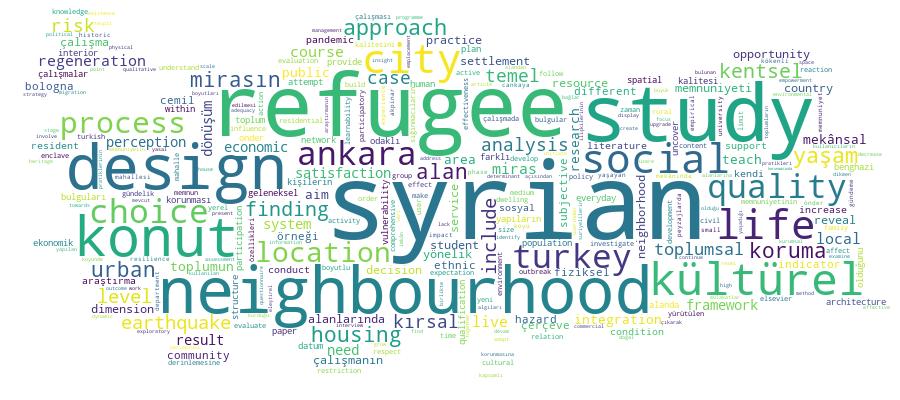
Competency Cloud
29 results
Scholarly Output Search Results
Now showing 1 - 10 of 29
Article Citation - WoS: 1Ethnic Reflections of the Global Outbreak: a Multi-Dimensional Examination on Syrian Refugees and Settlements in the First Phase of the Coronavirus Outbreak(Kare Publ, 2023) Kahraman, Zerrin Ezgi HalilogluThis study aims to examine the effects of the coronavirus pan-demic on Syrian refugees at the neighbourhood level within the framework of perceptions, personal protection experiences, economic and social structure, and practices of neighbourhood usage. The major data source of this qualitative study included in-depth interviews with Syrian refugees living in Ulubey-Onder Neighbourhoods (Ankara). The findings displayed the effects of the pandemic on Syrians and their settlements, and a compari-son before and after the outbreak. The study demonstrated that the effective information sources of Syrians are composed of so-cial and communicational networks, and social media platforms. Their religious beliefs and social and economic needs both shape their perception on not being contaminated, and explain their reaction towards and resistance to respect the measures of the outbreak. Their lack of knowledge on available health services, attitudes of ignoring the use of face masks and social distanc-ing rules, family structures, and living and working conditions in-crease the risk of the spread of the virus. Although the crowded streets proved that human movement and commercial vitality in Syrian settlements continue as it was before the pandemic, the family incomes and standards of living diminished due to laid offs and limited access to donations of NGOs. This led to empowerment of solidarity networks and social relations in the area. Additionally, this study found out both gender differences in socialization opportunities, and negative effects of curfews and suspension of congregational praying activities on social life dur-ing pandemic times.Article Citation - WoS: 5Citation - Scopus: 9Empowering the Community Through Participation and Action in Historic Neighbourhood Conservation Planning(Keai Publishing Ltd, 2022) Ataov, Anli; Kahraman, Z. Ezgi Haliloglu; Osmay, SevinThis paper presents an attempt to initiate community empowerment within the participatory neighbourhood upgrading context of the S,engul Hammam Neighbourhood (I_stiklal). We adopted the Participatory Action Research methodology, which aims to generate knowledge meaningful for the community towards upgrading and revitalizing the neighbourhood. Respectively, a series of workshops, focus groups, and community activities were implemented in parallel processes with different neighbourhood groups. In order to change the situation in the neighbourhood, the inquiry began by mobilizing neighbourhood stakeholders and planning the future with primary school children. Later, this gained the active support of parents, women, the municipality, local leaders, and civil associations, and led them to take collective action over garbage collection, cleaning up the neighbourhood and building a playground-park. The mayor at the time of the research showed interest in I_stiklal but did not or could not give any financial or political support to upgrade the physical setting as a whole. The lack of support from the municipality in that regard and the neighbourhood being left to its own destiny caused a gradual dilapidation and loss of historic and cultural values. (c) 2021 Higher Education Press Limited Company. Publishing services by Elsevier B.V. on behalf of KeAi Communications Co. Ltd.Article Uncovering Vulnerabilities and Resilience of Benghazi After the War(2019) Barani, Abdelhamed; Kahraman, EzgiWars result in the destruction of cities in many ways (Ballentine & Nitzschke, 2005; Brzoska & Fröhlich, 2016) that they not only stimulate vulnerabilities of cities but also decrease their resilience. The civil war in the city of Benghazi stared in 2011. This study aims to investigate both the multifaceted vulnerabilities of Benghazi resulted from war and some signs of resilience reactions against consequences of war. It attempts to compare before and after the war situations for various structures in the city including demographic, economic, social, spatial and environmental dimensions. To do this, it analyses written and visual documents such as master plans, satellite images and national/international reports. The study finds outs that the inhabitants of the city have economically developed resiliency strategies by creating new jobs. Moreover, the residents of Benghazi construct permeant or temporary houses at the outskirts of the city as a spatial resiliency reaction. However, this reaction results in urban sprawl in the city which consequently stir up the pressures on natural environmental in the city.Article Göçmen Mahallelerinde Konut Dış Mekânında Uyarlama: “küçük Halep,” Önder Mahallesi, Ankara Örneği(2019) Kahraman, Z. Ezgi; Temel, Dilşa GünaydınYaşanan iç savaş nedeni ile Türkiye 2011 yılından bu yana Suriye’den göç almaktadır. Bir müddet sonra sığınmacıların birkısmı farklı Avrupa ülkelerine dağılmış olsalar da büyük bir çoğunluğu, özellikle Hatay, Şanlıurfa, Adana, Ankara ve İstanbul’ayerleşmişlerdir. Bu durum, sığınmacıların bütünleşmesi ve kentlerin bu kitlesel göç hareketi için hazır hale getirilmesi konularınıgündeme getirmektedir.Çalışmada, Suriyeli sığınmacıların, sosyo-mekânsal bütünleşme süreçlerinin parçası olarak yerleştikleri bölgelerde ve konutalanlarında yaptıkları uyarlamaların araştırılması hedeflenmiştir. Bu doğrultuda, Ankara/Altındağ ilçesine bağlı Önder Mahallesi’ndeyaşayan Suriyelilerin kültürel aktarımlarının ve gündelik ihtiyaçlarının mekânsal yansıması olarak mahalledeki konutlarınındış mekânında yaptıkları uyarlamalar incelenmiştir. Suriyelilerin kendi yaşantılarından yeni yaşam alanlarına ne tür aktarımlaryaptıklarını ve konut dış mekânındaki değişiklikleri belirleyebilmek için öncelikle Suriye’deki yaşantıları araştırılmıştır. Çalışmada,mahalledeki mekânsal değişimi saptamak için temel olarak yerinde yapılan gözlemlerden, Suriyelilerin kendi ülkelerindeki yaşambiçimlerini ve mekânsal yansımalarını anlayabilmek için de yazın ve görsel doküman tarama tekniklerinden yararlanılmıştır.Bunlara ek olarak, mahalle muhtarı ile mülakatlar ve alanda yaşayan Suriyelilerle resmî olmayan görüşmeler yapılmıştır. Bilgitoplama sürecinde edinilen görseller üzerinden yapılan karşılaştırmalar ve bunların alan çalışması ve yazın taramasından eldeedilen verilerden yola çıkılarak yorumlanması alan çalışmasının esasını oluşturmaktadır. Çalışmanın bulguları Önder Mahallesi’neyerleşen ve giderek nüfusları artan Suriyeli sığınmacıların zaman geçtikçe bu bölgeyi kendi gündelik yaşamlarını ve yaşamtarzlarını devam ettirebilecek bir yer haline getirdiklerini, bu süreçte konut dış mekânında kendi imkân ve emekleriyle yaptıklarıuyarlamaların etkili olduğunu göstermektedir. Çalışmanın, kentlerin planlı bir şekilde göç sonucu oluşan konut ihtiyaçlarına uyumgösterebilmesi için gereken stratejilerin tespit edilmesi, konut alanlarında yapılacak düzenlemelerin göçmenlerin sosyo-mekânsalbütünleşmelerinin bir parçası olduğunun hatırlanması ve bu kabul ile göçmenlerin barınma ihtiyaçlarının karşılanmasına yönelikpolitikaların geliştirilmesi konularına katkı sunabileceği beklenmektedir.Article Using User-Centered Design Approach In Course Design(Elsevier Science BV, 2010) Kahraman, Z. Ezgi HalilogluUser-centered design approach is a contemporary design approach which actively involves users at every stage of the design process for the development of more effective, efficient and safe products. This paper is based on a case study that attempts to adapt this approach into course design in order to increase the effectiveness of teaching, and the learnability and success of university students. The paper discusses the phases of the designing process including analysis of student needs, limitations and expectancies in the teaching process, designing teaching activities, and assessment of students about courses designed with respect to user-centered design approach (C) 2010 Elsevier Ltd. All rights reserved.Doctoral Thesis Toplumsal Koruma Pratikleriyle Kırsal Kültürel Peyzajlarda Kültürel Mirasın Korunması: Kapadokya Cemil Köyü Örneği(2025) Yeşilbağ, Damla; Ürey, Zeynep Çiğdem Uysal; Kahraman, Zerrin EzgiKültürel mirasın korunması disiplini, zaman içinde mirasın yalnızca fiziksel bütünlüğünü temel alan teknik bir uygulama alanı olmaktan çıkarak, miras ile ilişkili bireyleri ve toplumları merkezine alan sosyo-kültürel bir pratiğe dönüşmüştür. Bu dönüşüm, eleştirel miras çalışmalarıyla birlikte mirasın fiziksel niteliklerin yanı sıra, kültürel süreklilik, toplumsal bağlar ve gündelik yaşam pratikleri üzerinden yeniden üretildiği görüşünü güçlendirmiştir. Buna karşın Türkiye'de mevcut yasal ve kurumsal çerçeve, toplum odaklı bu yaklaşımları uygulamada büyük ölçüde sınırlı kalmaktadır. Kültürel miras alanlarına karşı toplumun yer ile kurduğu bağlar ve bu bağların şekillendirdiği ilişkiler temel alınarak geliştirilecek yaklaşımlar, insan ve toplumu odağına alan yeni bir koruma perspektifinin oluşturulması açısından önem taşımaktadır. Kırsal kültürel peyzajlar, toplumların doğal ve yapılı çevre ile kurdukları özgün ilişkileri sürdürdükleri ve gündelik yaşam pratiklerini bu çerçevede şekillendirdikleri yerleşimler olarak, bu nitelikte bir araştırma için önemli bir potansiyel sunmaktadır. Bu bağlamda, bu çalışma, koruma amaçlı imar planı, kapsamlı restorasyon ve/veya sokak sağlıklaştırma projeleri gibi resmi koruma uygulamarının olmadığı kırsal kültürel peyzajlarda toplumların miras bileşenlerinin varlığını nasıl sürdürdüğünü incelemeyi amaçlamaktadır. Nevşehir'in Ürgüp ilçesinde bulunan Cemil Köyünde yürütülen araştırma, toplumsal koruma pratiklerini; toplumun mirasla kurduğu ilişkiler, bu ilişkilerin ortaya çıkardığı koruma motivasyonları ve köyün geleneksel dokusu üzerinden ele almaktadır. Araştırma, kültürel mirasın korunması ve kırsal kültürel peyzaj kuramlarının yanı sıra, yer bağlılığı (place attachment) literatürünü kuramsal çerçeve olarak benimseyerek, toplum-miras ilişkilerinin koruma pratikleri üzerindeki belirleyici rolünü bireysel, toplumsal ve mekânsal boyutlarda ortaya koymaktadır. Alan çalışması kapsamında yürütülen mekânsal analizler ve derinlemesine mülakatlar, köyde koruma pratiklerinin beş temel motivasyon doğrultusunda şekillendiğini göstermiştir: tarihî ve kültürel sembollerin korunması, doğal çevreyle kurulan bağ, geleneksel yapıların yapısal nitelikleri, tarımsal faaliyetlerin sürekliliği ve toplumsal ilişkilerin devamlılığı. Resmi müdahaleler olmaksızın kültürel mirasın sürdürülmesini mümkün kılan yerel pratikler, bu motivasyonların yer bağlılığının farklı boyutları (bireysel, toplumsal ve mekânsal) ile geleneksel yapılara yönelik müdahale biçimlerinin birlikte değerlendirilmesiyle belirlenmiştir. Bulgular, Cemil Köyünde toplumsal koruma pratiklerinin, düzenli bakım ve yerel tekniklerin sürekliliğini sağlayan uygulamalardan, imkân yetersizlikleri ve zayıf yer bağları nedeniyle zayıf uygulamalara uzanan bir çeşitliliğe sahiptir. Bu çeşitlilik, oruma pratiklerinin toplumsal düzeyde çok boyutlu bir yapıya sahip olduğunu göstermektedir. Cemil Köyü örneği, kırsal kültürel peyzajlarda kültürel mirasın, resmi koruma uygulamalarının yokluğunda, toplumun yer ile kurduğu çok boyutlu bağlar aracılığıyla sürdürüldüğünü göstermektedir. Bu bulgular, kültürel mirasın korunmasına yönelik toplum odaklı eleştirel yaklaşımlara kuramsal ve yöntemsel katkılar sunmakta ve Türkiye'de kırsal miras alanlarına yönelik toplum odaklı politikaların geliştirilmesi için özgün bir zemin sağlamaktadır.Article Earthquake Hazard and Risk Profiling for Syrian Refugees at Country, City, and Neighbourhood Levels Based on Their Multi-Scalar Location Choice Patterns(Elsevier, 2024) Kahraman, Z. Ezgi Haliloglu; Haliloğlu Kahraman, Z. EzgiEarthquake hazards and risks (EHR) for Syrian refugees in Turkey were scrutinised at country, city, and neighbourhood levels in reference to multi- scaled patterns of their location choice (LC). This comprehensive investigation employed thematic analysis to review scholarly studies about the earthquake-related vulnerability and LC of Syrian refugees together with relevant national and international resources subsequent to the February 2023 earthquakes. Findings revealed that multiple LC factors contributed to the refugees' EHR profile. The absence of national population distribution and refugee resettlement policies, an ineffective and insufficiently inclusive regulatory and mitigation framework to cope with Turkey's earthquake risks, refugee-related data deficiencies, Syrian refugee influx into earthquake-prone cities, and substandard housing conditions and weak building codes in Syrian settlements may have significantly increased EHR for Syrian refugees in Turkey. This was further compounded by competition for scarce resources, livelihood problems, anti-refugee sentiment, and displacement following the earthquakes.Article Citation - WoS: 1Citation - Scopus: 1Student Participation in Bologna Process: a Case Study From Turkey(Fac Teacher Education, 2014) Kahraman, Zerrin Ezgi; Kahraman, Z. Ezgi; Sakarya, Arif Orçun; Sakarya, A. Orcun; Orçun Sakarya, A.; Şehir ve Bölge Planlama; İşletmeBologna Process studies in Cankaya University's Interior Architecture Department (INAR), Turkey have been initiated in 2008. The goal of this study is to explore students' perceptions about the new programme outcomes framed with the Turkish Higher Education Qualifications Framework and to provide a set of guidelines for the Bologna Process to be implemented. A questionnaire including semi-structured questions is conducted in the data collection process. Content analysis method is used in order to examine students' perceptual outcomes. The findings of the study display that students' perceptions underline the importance of the acquisition of knowledge, skills and competences in social, economic and managerial dimensions of the professional life. Results also reveal the need of students for the acquisition and use of communicative, collaborative and interdisciplinary aspects of the profession and their expectations on both theoretical and practical contents of INAR courses. Furthermore, this study which mainly followed a student-cantered approach concluded that it is also possible to generalize new programme outcomes through the active participation of students.Conference Object Citation - WoS: 17Citation - Scopus: 26Using User-Centered Design Approach in Course Design(Elsevier Science Bv, 2010) Kahraman, Z. Ezgi HalilogluUser-centered design approach is a contemporary design approach which actively involves users at every stage of the design process for the development of more effective, efficient and safe products. This paper is based on a case study that attempts to adapt this approach into course design in order to increase the effectiveness of teaching, and the learnability and success of university students. The paper discusses the phases of the designing process including analysis of student needs, limitations and expectancies in the teaching process, designing teaching activities, and assessment of students about courses designed with respect to user-centered design approach (C) 2010 Elsevier Ltd. All rights reserved.Article Citation - WoS: 5Citation - Scopus: 5Understanding the Local Dynamics of Syrian Refugee Integration Through the Eyes of Refugees and Local Residents: the Case of the Onder Neighbourhood, Ankara(Routledge Journals, Taylor & Francis Ltd, 2022) Kahraman, Z. Ezgi Haliloglu; Gungordu, Feriha Nazda; Haliloğlu Kahraman, Z. EzgiAs the civil war in Syria continues and the displaced Syrians continue to become 'urban refugees' in their settled (host) countries since 2011, policy/political attention has shifted to refugee emplacement and integration. Despite the growing policy-oriented literature on integration, limited attention has gone to developing actor-oriented approaches to uncover the local dynamics of refugee integration by giving a voice to both refugees and local people. Attempting to address this gap in the literature, this article presents the views of Syrian refugees and local people on the integration process through the findings of a case study conducted in the onder neighbourhood of Ankara, Turkey; known as 'Little Aleppo.' The findings portray the social, economic, political and spatial dimensions of Syrians' integration at the local level from both parties' perspectives and reveal the local drivers of and barriers to Syrians' integration in Onder.
- «
- 1 (current)
- 2
- 3
- »