
Ürey, Zeynep Çiğdem
Loading...
Profile URL
Name Variants
Urey, Zeynep Cıgdem Uysal
Ürey Uysal, Zeynep Çiğdem
Ürey, Zeynep Çiğdem Uysal
Uysal Urey, Zeynep Cigdem
Uysal Ürey, Zeynep Çiğdem
Urey, Zeynep Cigdem Uysal
Ürey Uysal, Zeynep Çiğdem
Ürey, Zeynep Çiğdem Uysal
Uysal Urey, Zeynep Cigdem
Uysal Ürey, Zeynep Çiğdem
Urey, Zeynep Cigdem Uysal
Job Title
Doç. Dr.
Email Address
zeynepuysal@cankaya.edu.tr
Main Affiliation
Mimarlık
Status
Current Staff
Website
ORCID ID
Scopus Author ID
Turkish CoHE Profile ID
Google Scholar ID
WoS Researcher ID
Files
Sustainable Development Goals
11
SUSTAINABLE CITIES AND COMMUNITIES

3
Research Products
3
GOOD HEALTH AND WELL-BEING

0
Research Products
9
INDUSTRY, INNOVATION AND INFRASTRUCTURE

0
Research Products
6
CLEAN WATER AND SANITATION

0
Research Products
14
LIFE BELOW WATER

0
Research Products
12
RESPONSIBLE CONSUMPTION AND PRODUCTION

1
Research Products
8
DECENT WORK AND ECONOMIC GROWTH

0
Research Products
1
NO POVERTY

0
Research Products
4
QUALITY EDUCATION

0
Research Products
5
GENDER EQUALITY

0
Research Products
10
REDUCED INEQUALITIES

0
Research Products
16
PEACE, JUSTICE AND STRONG INSTITUTIONS

0
Research Products
15
LIFE ON LAND

0
Research Products
7
AFFORDABLE AND CLEAN ENERGY

0
Research Products
13
CLIMATE ACTION

0
Research Products
17
PARTNERSHIPS FOR THE GOALS

0
Research Products
2
ZERO HUNGER

0
Research Products

Scopus data could not be loaded because of an error. Please refresh the page or try again later.

Documents
7
Citations
21

Scholarly Output
14
Articles
8
Views / Downloads
2474/2707
Supervised MSc Theses
1
Supervised PhD Theses
2
WoS Citation Count
5
Scopus Citation Count
7
WoS h-index
2
Scopus h-index
2
Patents
0
Projects
0
WoS Citations per Publication
0.36
Scopus Citations per Publication
0.50
Open Access Source
7
Supervised Theses
3
| Journal | Count |
|---|---|
| IIB International Refereed Academic Social Sciences Journal | 2 |
| ARCHTHEO’18 - XII. International Theory and History of Architecture Conference | 1 |
| GRID - Architecture, Planning and Design Journal | 1 |
| Grid - architecture, planning and design journal (Online) | 1 |
| Is it Real? Structuring Reality by Means of Signs | 1 |
Current Page: 1 / 2
Scopus Quartile Distribution
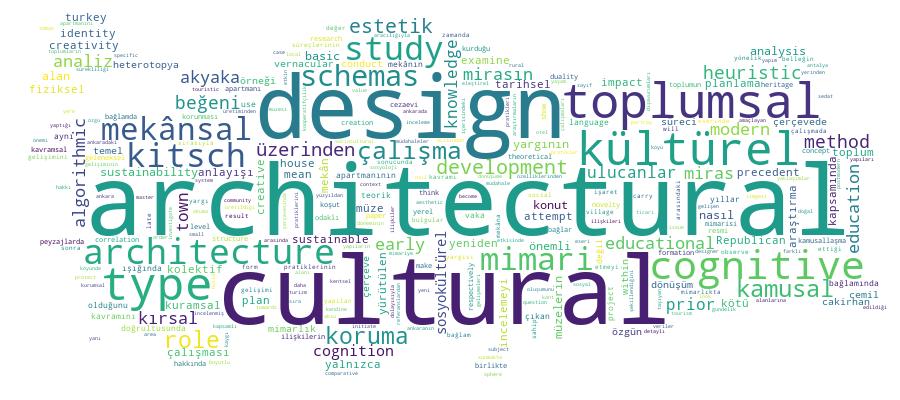
Competency Cloud
14 results
Scholarly Output Search Results
Now showing 1 - 10 of 14
Book Part Cultural Identity as a Constructed Reality and Its Reflection in Architectural Praxis: Sedat Hakkı Eldem in Early Republican Turkey(Cambridge Scholars Publishing, 2016) Uysal Ürey, Zeynep ÇiğdemArchitecture can be seen as a cultural system of signification that enables the transfer of meaning through architectural forms. As with any form of signification therefore, architecture guides our thinking and structures our thought (Hall 1993, 17). This capacity of architecture has been consciously used throughout history to convey certain messages, and was often used by political regimes as a means to communicate certain ideals. In Early Republican Turkey, we observe a similar attempt. In the pursuit of forming a new cultural identity, architecture was used as a means to reflect a modern yet national cultural identity. The integration of the modern-national duality within the definition of cultural identity was of seminal importance for the new nation-state to participate within the international system of nation-states while keeping its self-identity (Smith 1988, 20). However, this dichotomous definition eventually created its cultural tensions and a bi-polar oscillation was observed between the two poles of the modern-national duality (Ergut 1999, 32). Architecture was used in this context as a sign to resolve the cultural tensions of the social sphere by conjoining and reflecting this dual identity through solutions that involved compromise. Sedad Hakkı Eldem’s studies in the late 1930’s and early 1940’s provide a viable forum for discussing these issues in detail. In this framework, this paper will focus on the period between the late 1930’s and the early 1940’s of Early Republican Turkey and discuss respectively: the notion of “cultural identity” as a phenomenon of the modern nation-state; the cultural identity formulations of the Early Republican Turkey; the architectural praxis of the late 1930’s and the early 1940’s, and the architectural praxis of Sedat Hakki Eldem.Article Ankara’da Sosyokültürel bir Kent Simgesi: 96’lar Apartmanı(2012) Ürey, Zeynep Çiğdem UysalBu çalışma, Ankaranın önemli bir kentsel simgesi olan 96lar Apartmanını, gelişiminin sosyokültürel önemi bağlamında incelemeyi amaçlamaktadır. Araştırmaların da işaret ettiği gibi 96lar Apartmanı, Ankarada 1950li ve 1980li yıllar arasında etkin olan konut gelişimi ve kooperatifçilik süreçlerinin etkisinde gelişen kendine özgü mimari planlama anlayışı ve yapım süreci dolayısıyla Ankara konut mimarisi bağlamında önemli bir yere sahip olmuştur. 96lar Apartmanının sosyokültürel gelişimini ve mimari oluşumunu döneminin kültürel, sosyal ve mimari gelişmeleri ışığında analiz etmeyi amaçlayan bu çalışma, sırasıyla Ankaradaki 1950li ve 1980li yıllar arasındaki konut üretiminden, 96lar Apartmanının bu bağlam içerisindeki yerinden, planlama anlayışı ve mimari özelliklerinden ve Modern Mimariye yaptığı referanslardan bahsedecektir.Master Thesis Kitsch Manifestations in Architecture and a Stylistic Evaluation of Architectural Structures With Commercial Concerns: a Study on Five Star Hotels With Tourism Management Certificates in Antalya Aksu District(2024) Engin, Merve Fırat; Ürey, Zeynep Çiğdem UysalKitsch kavramı 19. yüzyıldan sonra ortaya çıkan ve mimarlıkta da dışavurumlarını görmekte olduğumuz estetik beğeni ile ilgili modern bir olgudur. Bu çalışma kitsch kavramını teorik çerçevede incelemeyi ve teorik inceleme sonucunda ortaya çıkan veriler ışığında mimarlıkta kitsch olgusunu belli bir örneklem kapsamında ele alıp detaylı olarak analiz etmeyi amaçlamaktadır. Çalışma kapsamında öncelikle kitsch kavramı, tanımı, etimolojisi, tarihsel gelişimi ve hakkındaki teorik yaklaşımlar çerçevesinde detaylı olarak incelenmiş, daha sonra kitsch olgusunun mimarlıktaki dışavurumları üzerine teorik bir araştırma yürütülmüştür. Bu incelemeler ışığında ortaya çıkan kitsch kavramına ait nitelikler belirlenen vaka çalışmasının analizinde kullanılmıştır. Vaka çalışması kapsamında ticari kaygı taşıyan mimari yapılar üzerine odaklanılmış ve bu kapsamda otel yapıları seçilmiştir. Vaka çalışması örneklemi Antalya Aksu ilçesi Turizm İşletmesi Belgeli 5 Yıldızlı Otelleri olarak belirlenmiş ve bu oteller üzerinde kitsch niteliklerinin analiz edildiği bir üslupsal değerlendirme çalışması yapılmıştır. Çalışma sonucunda mimarlıkta kitsch'in dışavurumları ve ticari kaygı taşıyan otel yapıları ile kitsch olgusu arasındaki ilişki ortaya konmaya çalışılmıştır.Article Citation - WoS: 3Citation - Scopus: 4Creation of a New Vernacular Architecture and the Attainment of Sustainability: the Case of Akyaka Town Development(Mdpi, 2023) Urey, Zeynep Cigdem Uysal; Uysal Urey, Zeynep CigdemThis study problematizes a case where the interpretation of local architectural types by a designer forms a new vernacular architecture that shapes the sphere of a newly developing small town towards one that became sustainable. The house built by Nail Cakirhan for himself in Akyaka (Turkey) opens up a new future in front of the small village of then, towards becoming a touristic center with a specific architectural language of its own. Cakirhan designs his house by interpreting the traditional houses of his hometown, Ula, which is only a few kilometers away from the village of Akyaka. The design of the house initiates the formation of a unique architectural language for Akyaka, which gradually evolves into a new vernacular architecture. Since then, this invented architectural tradition has both transformed the village into a popular touristic town and also initiated a sustainable approach due to its sensitivity for the cultural and natural assets of the context. This architectural language is protected by the master development plan now, and the town is declared as a 'slow-city' due to its culturally and environmentally sensitive character. In order to portray this development, this study will first examine Cakirhan's house in relation to its referential and actual contexts, then it will observe the development of the town of Akyaka by means of looking at Cakirhan architecture in Akyaka, the master development plan of Akyaka that protects the architectural language, and the development of the town as a sustainable, slow-city. The portrayal of the architectural development of Akyaka could demonstrate how a fairly recent architectural practice can today result in the development of a sustainable and harmonious architectural environment.Article Kitsch'in Estetik Değerlendirmesi: Kant'ın “estetik Yargının Eleştirisi” Adlı Eseri Üzerinden Kötü Beğeni Hakkında Bir Okuma(2023) Urey, Zeynep Cıgdem Uysal19. yüzyıldan sonra bir modern estetik terimi olarak ortaya çıkan kitsch kavramı, “kötü beğeni” olarak tanımlanan estetik bir değer yargısına işaret eder. Estetik yargı ve beğeni konularının sistematik olarak ilk kez 18. yüzyılda Immanuel Kant tarafından “Estetik Yargının Eleştirisi” adlı eserinde ele alındığı kabul edilmektedir. Bu çalışma, Kant'ın, “Estetik Yargının Eleştirisi” adlı eserinde sunduğu estetik yargı, beğeni ve kötü beğeni kavramlarına ilişkin argümanlarını okuyarak, bir estetik değer yargısı olan kitsch kavramını yeniden değerlendirmeye çalışmaktadır. Kitsch kavramının kötü beğeni olarak Kant'ın yazılarında izini sürmek, olabilecek kesişim veya çelişkileri ortaya koyacak ve terimin felsefi kökleri hakkında bir kavrayış sağlamak açısından önemli olacaktır. Çalışma, bu amaç doğrultusunda söylemsel bir analiz gerçekleştirmekte ve sırasıyla, bir estetik beğeni yargısı olarak kitsch kavramını; Kant'ın “Estetik Yargının Eleştirisi” eserinde ortaya koyduğu şekliyle estetik yargı ve beğeni kavramlarını; ve kitsch kavramıyla bir karşılaştırma yapmak amacıyla aynı eserde ortaya koyulan şekliyle “kötü beğeni” kavramını incelemektedir. “Estetik Yargının Eleştirisi”nde kötü beğeninin tanımını arayan inceleme, Kant'ın estetik yargıda albeni ve duygunun rolü üzerinden tasvir ettiği “kötü beğeni” koşullarının, duygusallık ve dikkat çekme arzusu temelinde kitsch'in özellikleriyle örtüştüğünü göstermektedir. Sonuç olarak, Kant'ın “Estetik Yargının Eleştirisi” adlı eseri üzerinden kötü beğeni hakkında yapılan bu okuma, duygusallık vurgusu, veya albeni ve duyguların gösterişli kullanımı bakımından, estetik bir değer yargısı olan kitsch teriminin felsefi köklerinin, terimin ortaya çıkışından çok önce var olduğunu ortaya koymaktadır.Article A Sociocultural Landmark in Ankara: 96lar Residential Block(2012) Ürey Uysal, Zeynep ÇiğdemBu çalışma, Ankaranın önemli bir kentsel simgesi olan 96lar Apartmanını, gelişiminin sosyokültürel önemi bağlamında incelemeyi amaçlamaktadır. Araştırmaların da işaret ettiği gibi 96lar Apartmanı, Ankarada 1950li ve 1980li yıllar arasında etkin olan konut gelişimi ve kooperatifçilik süreçlerinin etkisinde gelişen kendine özgü mimari planlama anlayışı ve yapım süreci dolayısıyla Ankara konut mimarisi bağlamında önemli bir yere sahip olmuştur. 96lar Apartmanının sosyokültürel gelişimini ve mimari oluşumunu döneminin kültürel, sosyal ve mimari gelişmeleri ışığında analiz etmeyi amaçlayan bu çalışma, sırasıyla Ankaradaki 1950li ve 1980li yıllar arasındaki konut üretiminden, 96lar Apartmanının bu bağlam içerisindeki yerinden, planlama anlayışı ve mimari özelliklerinden ve Modern Mimariye yaptığı referanslardan bahsedecektir.Doctoral Thesis Toplumsal Koruma Pratikleriyle Kırsal Kültürel Peyzajlarda Kültürel Mirasın Korunması: Kapadokya Cemil Köyü Örneği(2025) Yeşilbağ, Damla; Ürey, Zeynep Çiğdem Uysal; Kahraman, Zerrin EzgiKültürel mirasın korunması disiplini, zaman içinde mirasın yalnızca fiziksel bütünlüğünü temel alan teknik bir uygulama alanı olmaktan çıkarak, miras ile ilişkili bireyleri ve toplumları merkezine alan sosyo-kültürel bir pratiğe dönüşmüştür. Bu dönüşüm, eleştirel miras çalışmalarıyla birlikte mirasın fiziksel niteliklerin yanı sıra, kültürel süreklilik, toplumsal bağlar ve gündelik yaşam pratikleri üzerinden yeniden üretildiği görüşünü güçlendirmiştir. Buna karşın Türkiye'de mevcut yasal ve kurumsal çerçeve, toplum odaklı bu yaklaşımları uygulamada büyük ölçüde sınırlı kalmaktadır. Kültürel miras alanlarına karşı toplumun yer ile kurduğu bağlar ve bu bağların şekillendirdiği ilişkiler temel alınarak geliştirilecek yaklaşımlar, insan ve toplumu odağına alan yeni bir koruma perspektifinin oluşturulması açısından önem taşımaktadır. Kırsal kültürel peyzajlar, toplumların doğal ve yapılı çevre ile kurdukları özgün ilişkileri sürdürdükleri ve gündelik yaşam pratiklerini bu çerçevede şekillendirdikleri yerleşimler olarak, bu nitelikte bir araştırma için önemli bir potansiyel sunmaktadır. Bu bağlamda, bu çalışma, koruma amaçlı imar planı, kapsamlı restorasyon ve/veya sokak sağlıklaştırma projeleri gibi resmi koruma uygulamarının olmadığı kırsal kültürel peyzajlarda toplumların miras bileşenlerinin varlığını nasıl sürdürdüğünü incelemeyi amaçlamaktadır. Nevşehir'in Ürgüp ilçesinde bulunan Cemil Köyünde yürütülen araştırma, toplumsal koruma pratiklerini; toplumun mirasla kurduğu ilişkiler, bu ilişkilerin ortaya çıkardığı koruma motivasyonları ve köyün geleneksel dokusu üzerinden ele almaktadır. Araştırma, kültürel mirasın korunması ve kırsal kültürel peyzaj kuramlarının yanı sıra, yer bağlılığı (place attachment) literatürünü kuramsal çerçeve olarak benimseyerek, toplum-miras ilişkilerinin koruma pratikleri üzerindeki belirleyici rolünü bireysel, toplumsal ve mekânsal boyutlarda ortaya koymaktadır. Alan çalışması kapsamında yürütülen mekânsal analizler ve derinlemesine mülakatlar, köyde koruma pratiklerinin beş temel motivasyon doğrultusunda şekillendiğini göstermiştir: tarihî ve kültürel sembollerin korunması, doğal çevreyle kurulan bağ, geleneksel yapıların yapısal nitelikleri, tarımsal faaliyetlerin sürekliliği ve toplumsal ilişkilerin devamlılığı. Resmi müdahaleler olmaksızın kültürel mirasın sürdürülmesini mümkün kılan yerel pratikler, bu motivasyonların yer bağlılığının farklı boyutları (bireysel, toplumsal ve mekânsal) ile geleneksel yapılara yönelik müdahale biçimlerinin birlikte değerlendirilmesiyle belirlenmiştir. Bulgular, Cemil Köyünde toplumsal koruma pratiklerinin, düzenli bakım ve yerel tekniklerin sürekliliğini sağlayan uygulamalardan, imkân yetersizlikleri ve zayıf yer bağları nedeniyle zayıf uygulamalara uzanan bir çeşitliliğe sahiptir. Bu çeşitlilik, oruma pratiklerinin toplumsal düzeyde çok boyutlu bir yapıya sahip olduğunu göstermektedir. Cemil Köyü örneği, kırsal kültürel peyzajlarda kültürel mirasın, resmi koruma uygulamalarının yokluğunda, toplumun yer ile kurduğu çok boyutlu bağlar aracılığıyla sürdürüldüğünü göstermektedir. Bu bulgular, kültürel mirasın korunmasına yönelik toplum odaklı eleştirel yaklaşımlara kuramsal ve yöntemsel katkılar sunmakta ve Türkiye'de kırsal miras alanlarına yönelik toplum odaklı politikaların geliştirilmesi için özgün bir zemin sağlamaktadır.Conference Object Article Müzelerin Kamusallaşma Süreci ve Müze Mekânının Dönüşümü: Toplumsal Dönüşüme Koşut Olarak Müzelerin Kavramsal ve Mekânsal Değişimi(2025) Çavdar, Rabia Çiğdem; Aktan, Arda İlayda Sağlam; Urey, Zeynep Cıgdem UysalBu çalışma, müzelerin kamusallaşma sürecini, tarihsel süreçte geçirdikleri kavramsal ve mekânsal dönüşümler üzerinden değerlendirmeyi ve toplumsal yapıdaki dönüşümlere ve kamusal alanın tarihsel değişimine paralel olarak müze mekânında yaşanan dönüşümleri kuramsal bir çerçeve içerisinde ortaya koymayı amaçlamaktadır. Yürütülen çalışmada, Jürgen Habermas’ın kamusal alan kuramı ve Henri Lefebvre’in mekânın toplumsal üretimi yaklaşımından hareketle oluşturulan kuramsal çerçeve doğrultusunda, müzelerin yalnızca sergi alanları değil, aynı zamanda toplumsal ilişkilerin, kolektif hafızanın ve ideolojik temsillerin biçimlendiği kamusal mekanlar olduğu savunulmaktadır. Çalışmada, mekânın oluşum ve dönüşüm süreçlerinin toplumsal bağlam ile olan koşut ilişkisi çerçevesinde, her bir dönem kendi toplumsal dinamiklerinin getirdiği kamusallık anlayışı ile ele alınmıştır. Tarihsel-kuramsal bir yöntemin benimsendiği çalışmada; tespit edilen dönemsel kırılmalar doğrultusunda, literatürde kırılmalar ile ilişkilendirilen müze yapı örneklerinin plan organizasyonları analiz edilerek, dönemin kamusal alan üretimiyle nasıl ilişkilendikleri incelenmiştir. Mimari plan şemaları üzerinden yapılan mekânsal okumalar, müze yapılarında gerçekleşen dönüşümlerin yalnızca fiziksel biçimlenmelerle değil, aynı zamanda dönemin toplumsal ve siyasal dinamikleriyle şekillendiğini ortaya koymuştur. Yürütülen çalışma neticesinde, müzelerin kamusal mekân olabilme niteliğinin, yalnızca kendi kurumsal dinamiklerine değil, aynı zamanda kamusal alanın tarihsel dönüşümüne, özellikle de demokratikleşme ve eşitlik süreçlerine dayandığı sonucuna ulaşılmaktadır. Bu bağlamda da, müzelerdeki kavramsal ve mekânsal dönüşümün, toplumsal dönüşüme koşut olarak gerçekleştiği öne sürülmektedir. Bu yönüyle çalışmanın, müzelerin tarihsel gelişimini mekânsal analiz ve toplumsal kuram üzerinden ele alarak, bu yapıların toplumsal dönüşümlerle paralel biçimde kamusal mekâna evrildiğini savunan özgün bir araştırma ortaya koyduğu iddia edilmektedir.Conference Object An Architectural Response to the Duality Within Cultural Identity: Bruno Taut in Early Republican Turkey(2018) Uysal Ürey, Zeynep Çiğdem
